SINGAPOREAN BIOHEALTH CONCEPT
Amalgam Filling Assessment & Replacement
Safe Evaluation and Management of Old Metal (Amalgam) Dental Fillings
At Nuffield Dental Jewel, we understand that some patients have questions about older dental fillings made from dental amalgam (commonly known as “silver fillings”). If you are concerned about the condition of your existing fillings or wish to explore mercury-free alternatives, we provide careful evaluation and safe clinical options for managing them.
What Is Amalgam and Why People Ask About It
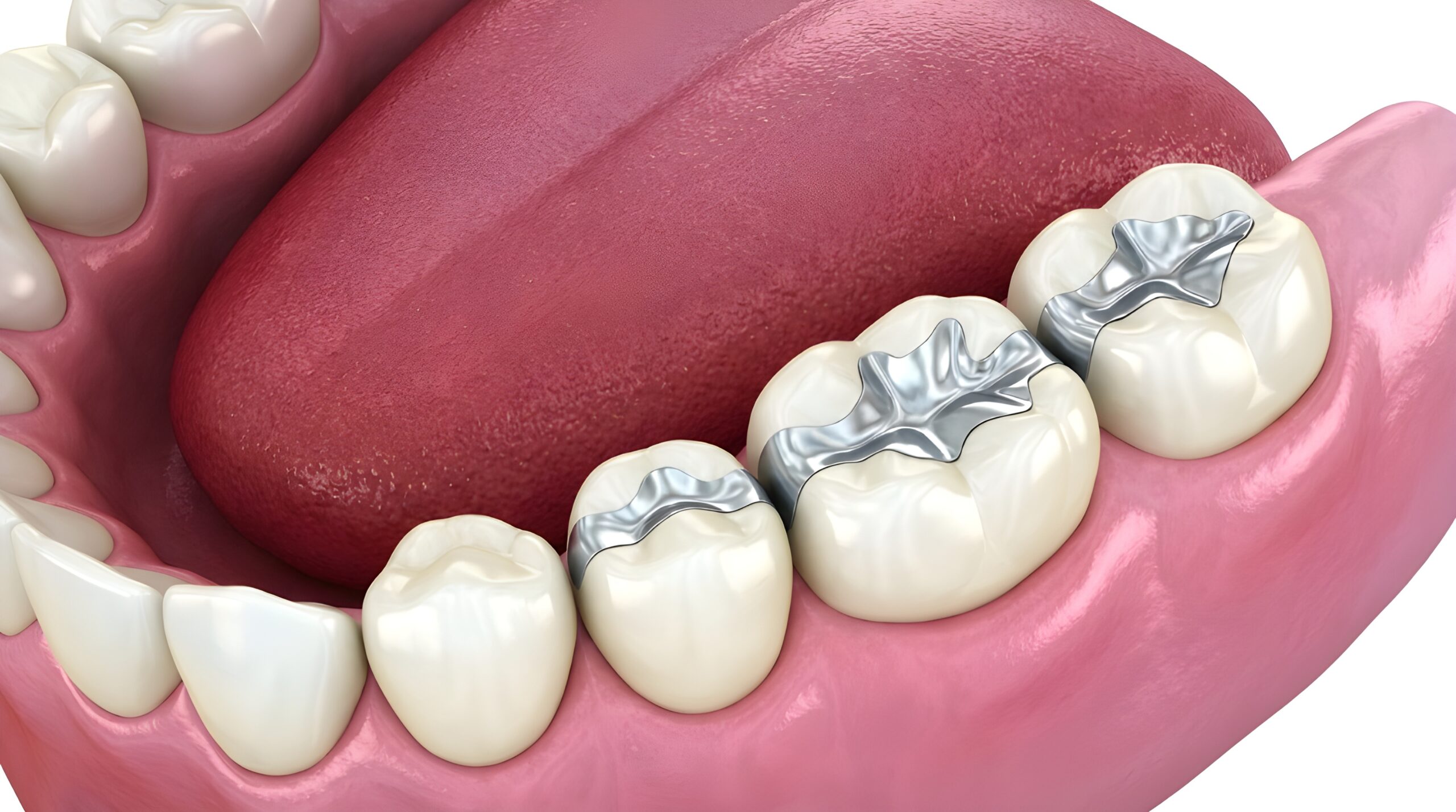
- Dental amalgam is a traditional filling material used for many decades to restore cavities, especially in back teeth. Although it has a long track record of durability, it contains a mixture of metals including mercury. What matters most is the condition of the filling and whether there is decay or structural failure underneath it.
- According to international dental organisations, amalgam fillings that are intact and not causing problems generally do not need to be removed solely for health reasons. (Wikipedia)
- If your amalgam filling is cracked, leaking, painful, or you have a documented allergy to metals, then replacing it with a modern, tooth-coloured material may be a valid option.
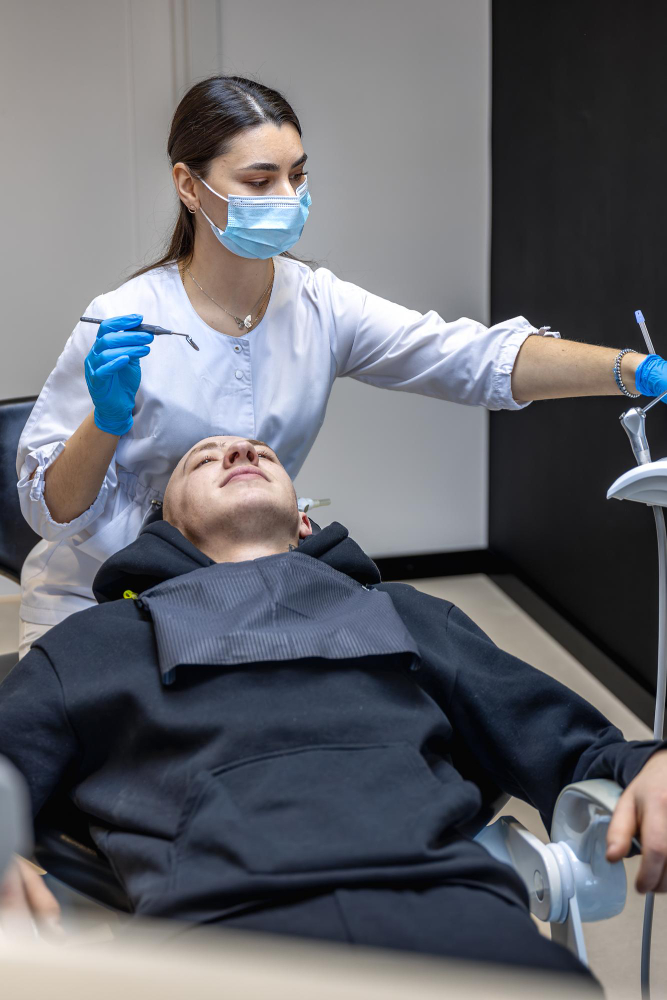
dental implants
Why Patients Consider Amalgam Replacement
You might choose to evaluate or replace amalgam fillings for reasons such as:
- The filling is damaged or worn out
- There is decay underneath the filling
- You have aesthetic concerns about metal in your smile
- You have a known allergy to metal components
- You desire modern, tooth-coloured alternative materials
- Any decision about replacing a filling should be made after a thorough clinical assessment, not based on appearance alone.
Safely Replacing Old Amalgam Fillings
Removing old dental amalgam requires careful technique and appropriate protective measures, especially because mercury vapour can be released when the material is cut or drilled. Skilled clinicians use procedures designed to reduce exposure and limit any unnecessary risk. (ada.org)
Best practice steps may include:
- Isolation with a dental dam to keep saliva and tissues separate
- High-volume suction and filtration near the tooth to capture debris
- Controlled drilling methods to minimise heat and vapour
- Careful intra-oral and external air management systems
- Our priority is to protect your safety and comfort throughout the process.
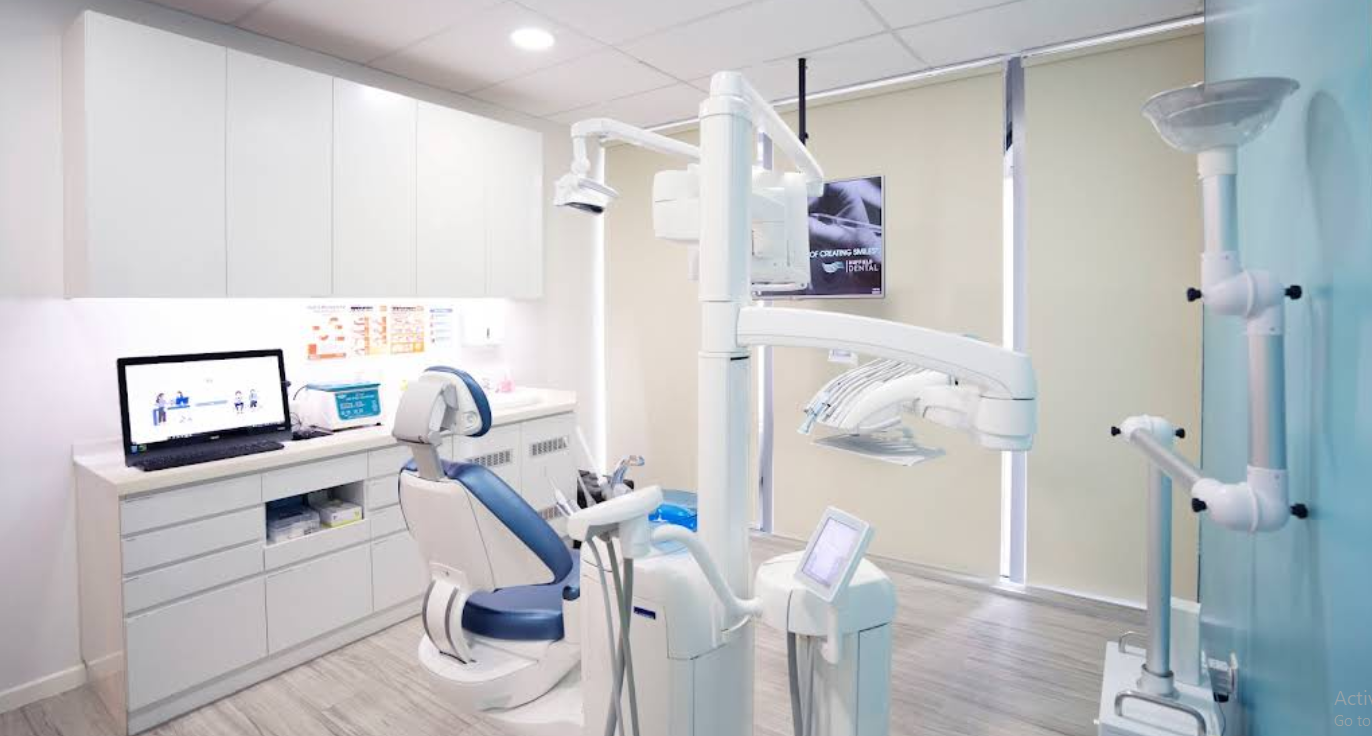
Nuffield Dental Jewel
Choosing a Replacement Material
Once an amalgam filling is removed, there are several contemporary restorative options that may be appropriate:
- Tooth-Coloured Composite Resin
- Matches the natural colour of your teeth
- Conserves healthy tooth structure
- Aesthetic and durable in many areas of the mouth
- Ceramic or Porcelain Restorations
- Excellent colour and translucency match
- Increased strength for larger restorations
- Long-term aesthetics and fit
- Your clinician will recommend the best restorative material based on the size of the repair, location in the mouth, and functional requirements.
Is Amalgam Removal Always Necessary?
Not always. Dental authorities generally recommend that amalgam fillings that are intact and not causing issues should not be removed without a clear clinical need, as unnecessary removal can lead to loss of healthy tooth structure and potential exposure to mercury vapour during the procedure. (Teeth)
We will help you weigh:
- the current condition of the filling
- your oral health goals
- overall function and risk in your bite
- whether replacement is appropriate
- All decisions are made based on clinical indicators and personalised discussion - not trend-based or fear-based opinions.
What to Expect at Your Assessment
During your visit at Nuffield Dental Jewel:
- Clinical Examination We assess the condition of your existing filling, adjacent tooth structure, gum health, and occlusion (bite).
- Imaging if Needed Intra-oral X-rays or 3D scans help us see beneath the surface and detect signs of decay or structural compromise.
Discussion of Options We explain
Zirconia is known for its biocompatibility, making it a favourable material in many cases where atraumatic healing and soft-tissue harmony are priorities. (dentalhealingarts.com)
- when replacement may be advised,
- pros and cons of different materials,
- what the procedure would involve,
- cost and timing considerations.
- Safety Protocols If removal is recommended, we plan an approach that supports your comfort and minimises exposure risks.

Comfort & Safety Throughout
Your comfort and wellbeing are priorities throughout the evaluation and any subsequent treatment. Where necessary, we can offer:
- local anaesthesia
- sedation options
- protective measures during procedures
- We will guide you through each step and ensure you understand your choices.