PRF & Regenerative Support
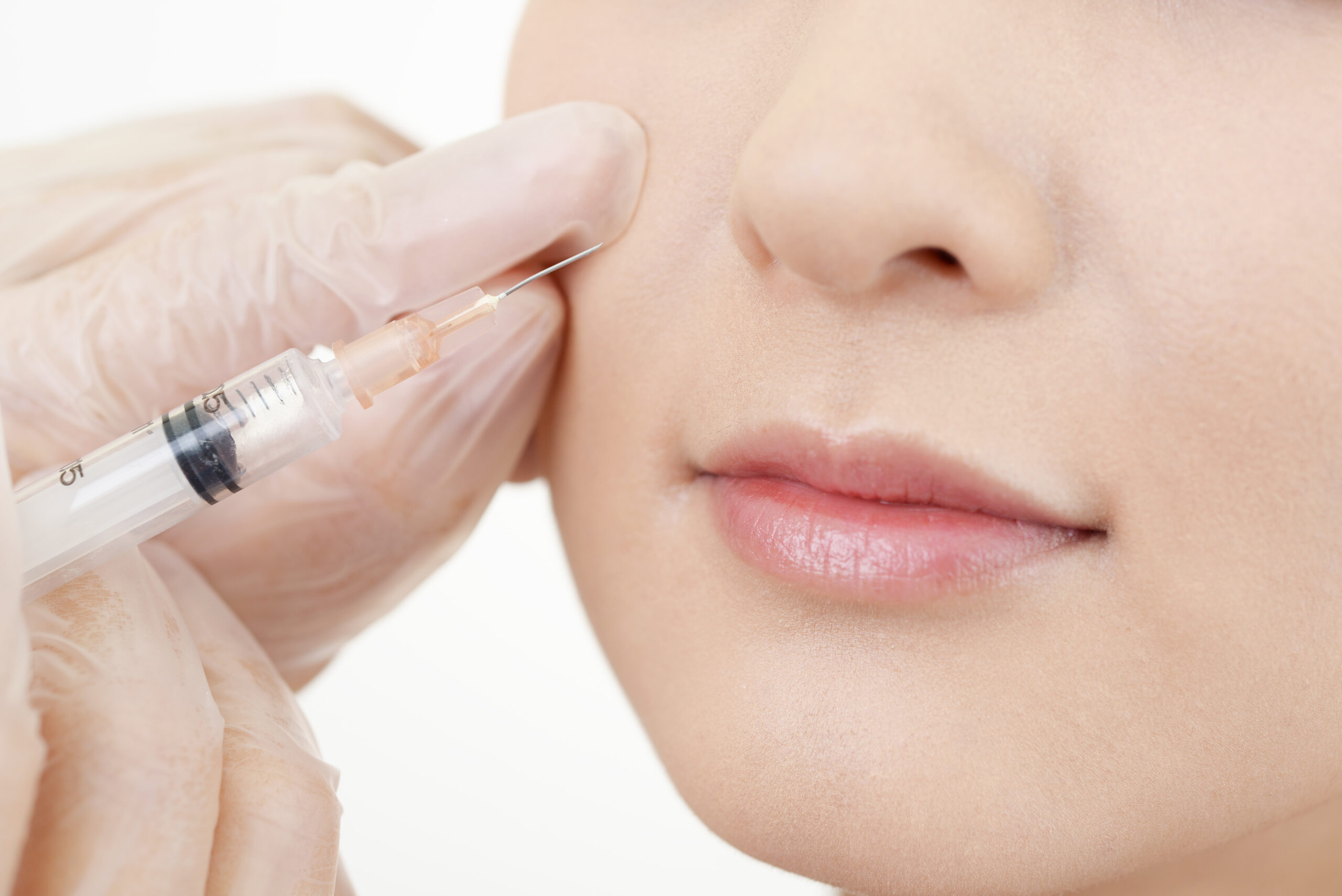
Supporting Natural Healing with Evidence-Aligned Regenerative Techniques At Nuffield Dental Jewel, PRF (Platelet-Rich Fibrin) is used as a regenerative adjunct to support healing following selected dental and surgical procedures. PRF is not a treatment on its own. It is a biologically derived support material that may enhance soft-tissue healing and early bone response when used appropriately and in the right clinical context.
What Is PRF (Platelet-Rich Fibrin)?
PRF is a concentrated fibrin matrix prepared from a small sample of your own blood. Through a controlled centrifugation process, platelets, fibrin, and naturally occurring growth factors are concentrated into a biocompatible material.
- Because PRF is derived from your own blood:
- It contains no additives or chemicals
- It is autologous (your own tissue
- It is well tolerated by surrounding tissues
- PRF has been used in medicine and dentistry to support wound healing and tissue regeneration.

Why PRF Is Used in Dentistry
Healing after dental surgery depends on:
- Blood supply
- Tissue stability
- Inflammation contro
- Predictable clot formation
PRF may help by:
- Supporting soft-tissue closure
- Encouraging early vascularisation
- Stabilising surgical sites
- Reducing post-operative inflammation
It does not replace good surgical technique — it complements it.
How PRF Is Prepared
The process is simple and performed chairside:
- A small amount of blood is drawn from your arm
- The blood is centrifuged under controlled conditions
- PRF is separated into a fibrin-rich matrix
- The PRF is used immediately at the surgical site
- Because PRF is processed and used during the same appointment, it remains biologically active at the time of placement.
When PRF May Be Used
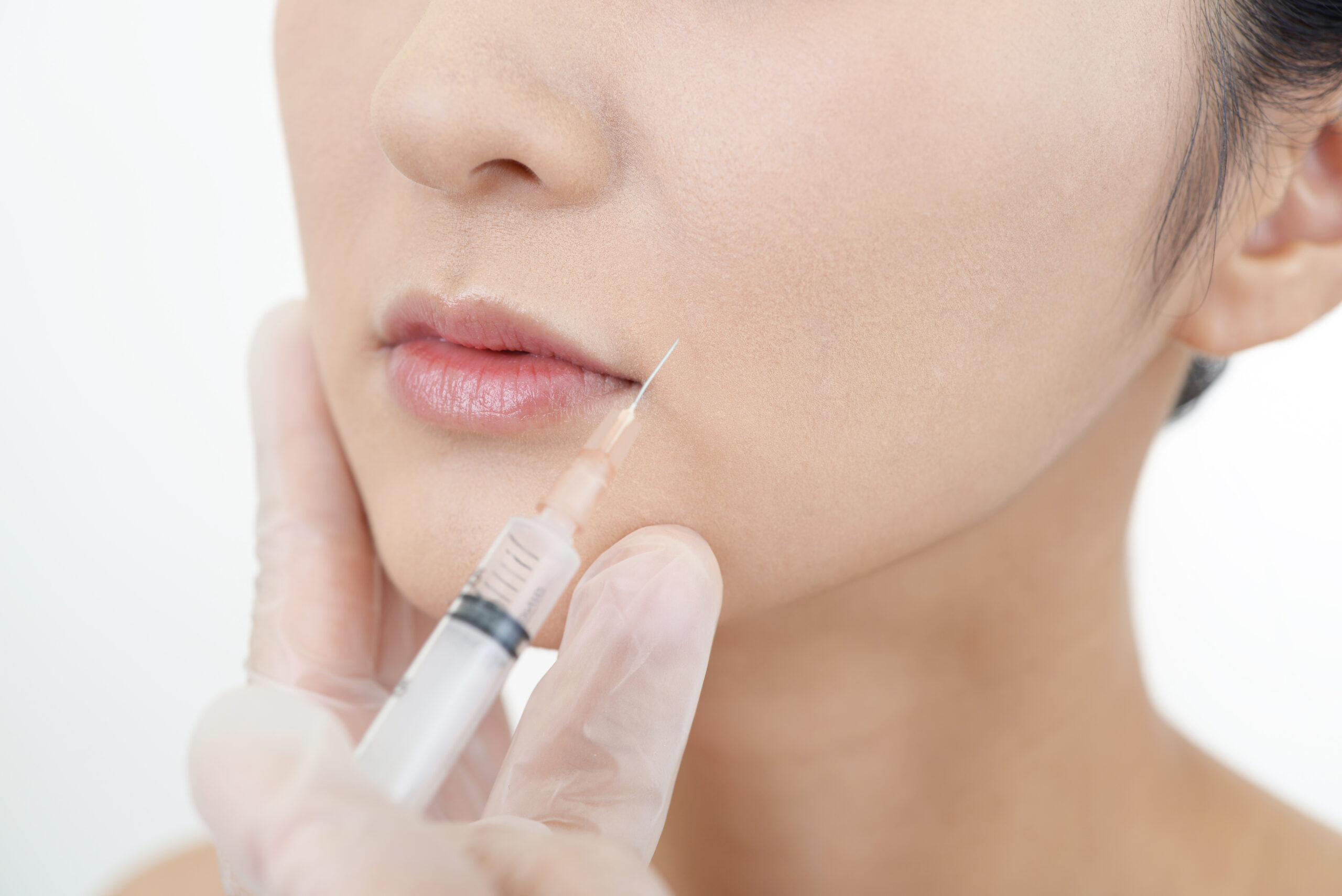
PRF may be incorporated into treatment when clinically appropriate, including:
- Dental implant placement
- Biological oral surgery
- Bone augmentation or sinus floor elevation
- Extraction site management
- Revision surgery
- Management of compromised healing sites
The decision to use PRF is case-specific, not routine.
PRF in Implant & Surgical Care
When used alongside implant or surgical procedures, PRF may help to:
- Support soft-tissue healing around implants
- Improve early wound stability
- Assist bone remodelling in grafted sites
- Reduce post-operative discomfort in some patients
- Surgical decisions are based on clinical evidence, imaging, and risk–benefit analysis.
PRF does not guarantee implant success — implant outcomes depend on anatomy, planning, surgical execution, and long-term maintenance.
What PRF Is Not
For clarity and transparency:
- PRF is not a stem cell therapy
- It does not regenerate teeth
- It does not treat systemic disease
- It does not replace grafting when grafting is required
- It is not used indiscriminately
We use PRF only when there is a clear biological rationale.
Healing Expectations
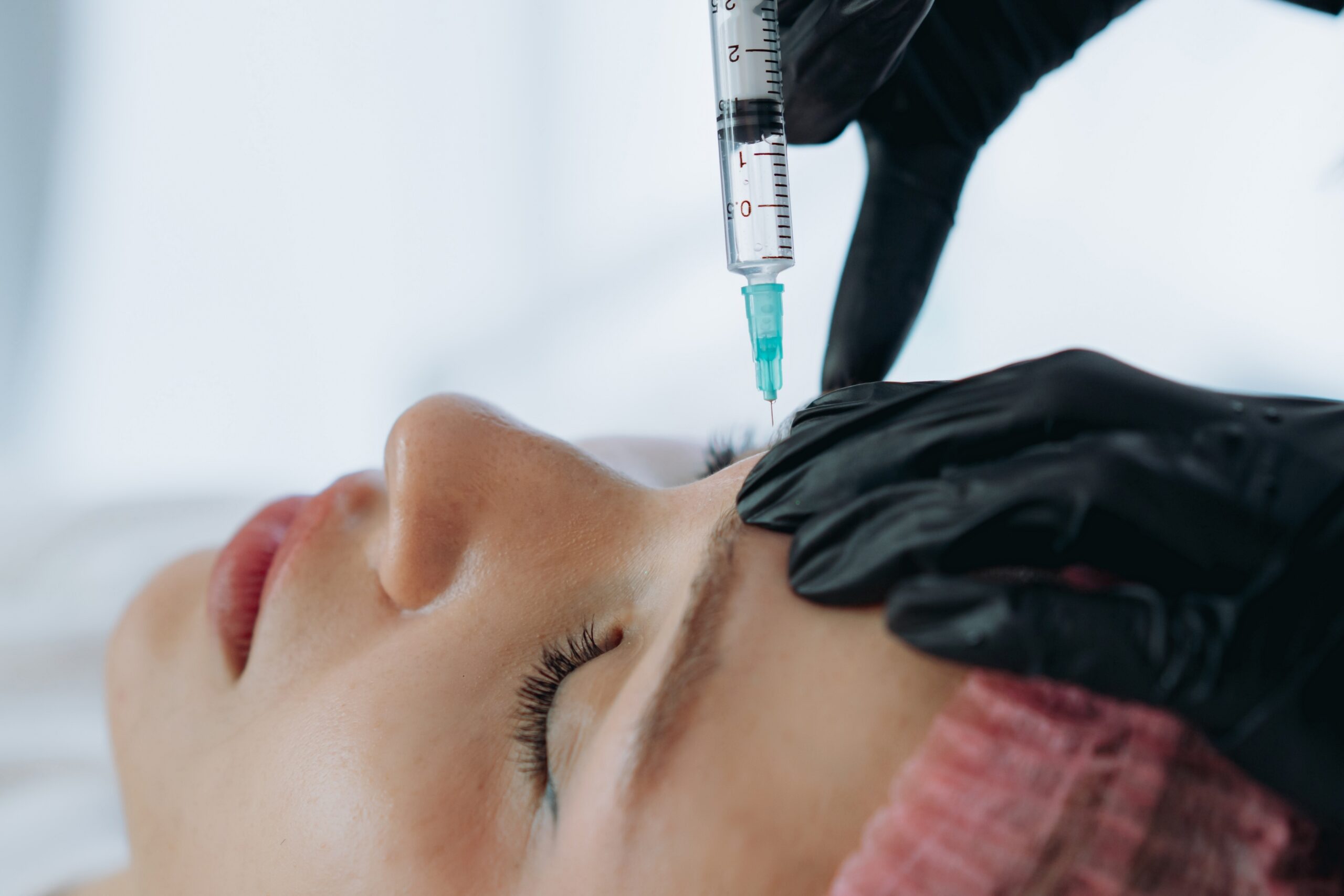
PRF supports natural healing processes.
Patients may experience:
- Improved soft-tissue comfort
- Reduced inflammation
- Smoother early healing
However, healing timelines still vary depending on:
- The procedure performed
- Individual biology
- Bone quality
- Oral hygiene
- Systemic health factors
These expectations are discussed clearly before treatment.
Frequently Asked Questions
1. How PRF Fits Into Your Treatment Plan
PRF is typically part of a broader, integrated treatment approach, which may include:
- Biological oral surgery
- Ceramic or titanium dental implants
- Bone augmentation or sinus procedures
- Staged restorative planning
All components are sequenced logically to support predictable outcomes.
2. Why Patients Appreciate Our Approach
Patients value PRF use at Nuffield Dental Jewel because:
- It is used selectively, not routinely
- Indications are clearly explained
- Expectations are realistic
- It supports — not replaces — evidence-based surgery
- Decisions are grounded in clinical need
Our philosophy prioritises biology, clarity, and long-term stability.