Full-Mouth Rehabilitation
Comprehensive Restoration of Function, Comfort & Aesthetics Through Structured Planning
At Nuffield Dental Jewel, Full-Mouth Rehabilitation refers to the comprehensive assessment and restoration of the entire dentition when teeth, bite, gums, and supporting structures have been significantly compromised. This is not a single procedure. It is a carefully sequenced treatment programme designed to restore oral function, comfort, stability, and aesthetics in a predictable and biologically respectful way.
What Is Full-Mouth Rehabilitation?
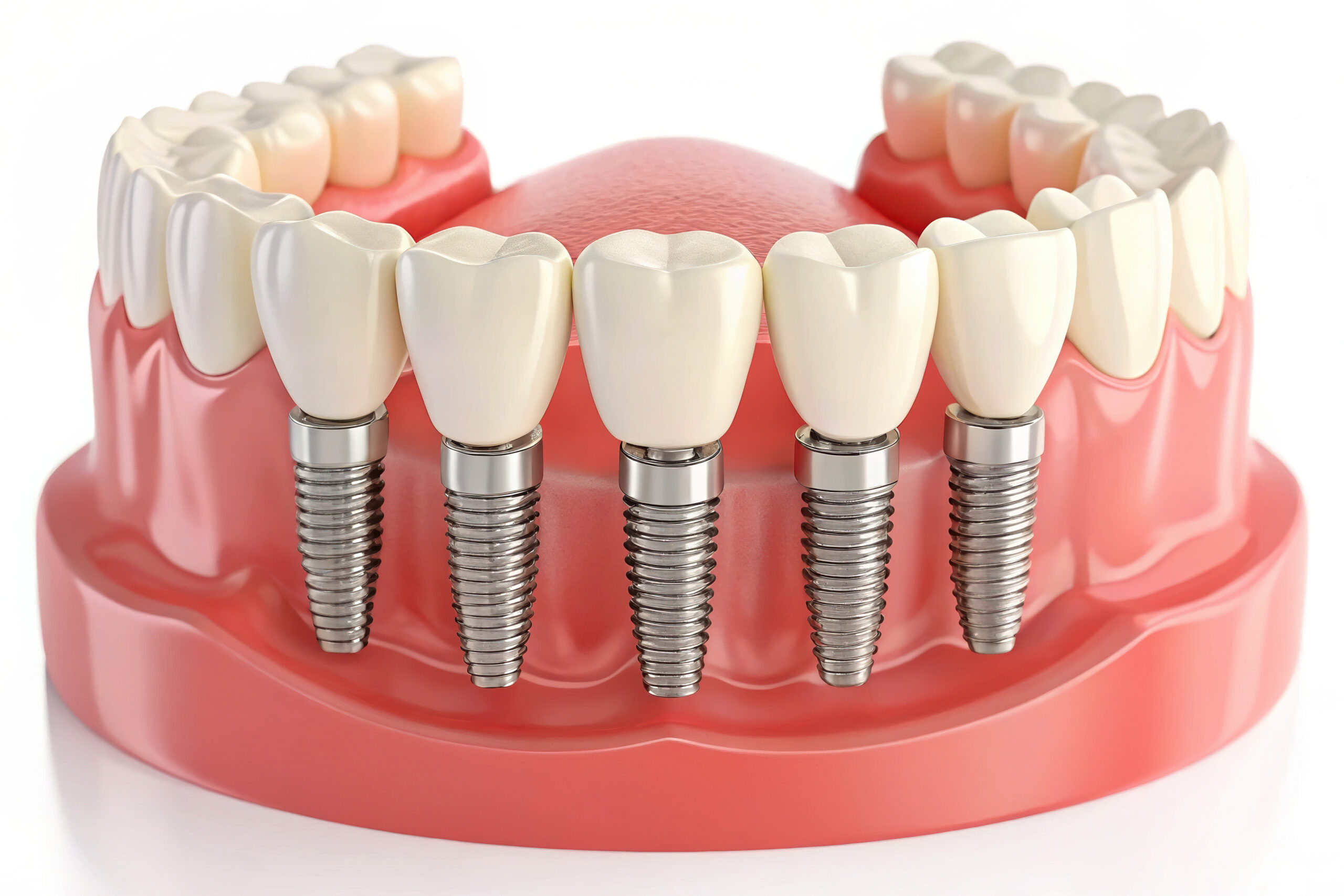
Full-mouth rehabilitation (also known as full-mouth reconstruction) involves rebuilding or replacing most — or all — of the teeth in one or both jaws.
It is typically required when there is:
- Extensive tooth wear or erosion
- Multiple failing restorations
- Missing teeth across the arch
- Bite collapse or altered jaw position
- Chronic discomfort or functional difficulty
- Complex interactions between teeth, gums, bone, and jaw joints
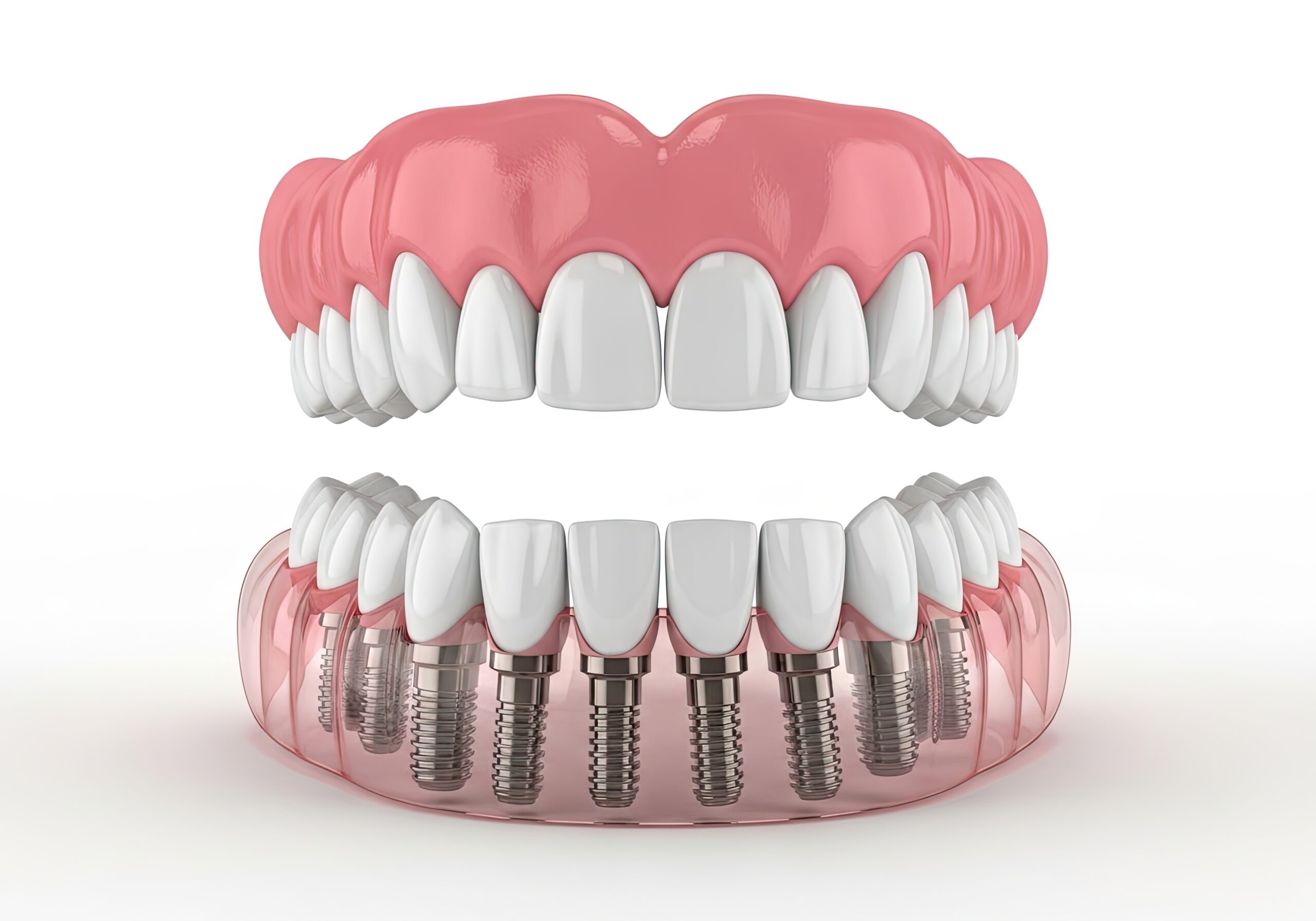
The goal is to restore the mouth as a functional system, not just individual teeth.
Our Philosophy: Function First, Aesthetics Second
A successful full-mouth rehabilitation must:
- Restore stable chewing funct
- Protect jaw joints and muscles
- Support healthy gums and bone
- Distribute bite forces evenly
- Deliver natural, long-lasting aesthetics
Aesthetic improvement is important — but it is always built on biomechanical and biological stability.
When Full-Mouth Rehabilitation May Be Recommended
This approach may be considered when you experience:
- Difficulty chewing or jaw fatigue
- Worn, cracked, or heavily restored teeth
- Recurring dental problems despite repeated treatments
- Shifting bite or reduced facial support
- Multiple missing teeth
- Discomfort related to bite imbalance
Not every complex case requires full-mouth rehabilitation. A comprehensive evaluation determines the scope and necessity.
When Implant Removal May Be Considered
Removal of a titanium implant is considered only when clinically justified, such as in cases of:
Persistent Peri-Implant Inflammation
Where progressive bone loss or infection does not respond to conservative management.
Implant Instability or Failure
If an implant loses integration with the bone or becomes mobile.
Structural or Mechanical Complications
Including fractured components or malpositioned implants that cannot be predictably restored.
Patient-Specific Considerationspi
In selected cases, patients may request removal as part of a planned transition to alternative restorative strategies, following careful discussion of risks and benefits
How Titanium Implant Removal Is Performed
Conservative Removal Techniques
Where possible, controlled methods are used to:
- Minimise bone loss
- Preserve surrounding structures
- Prepare the site for future restorative options
Surgical Access (When Required
If integration is extensive, a surgical approach may be necessary. The goal is always:
- Tissue preservation
- Controlled removal
- Predictable healing
Removal technique is tailored to the implant type, bone condition, and long-term plan.
What Happens After Implant Removal
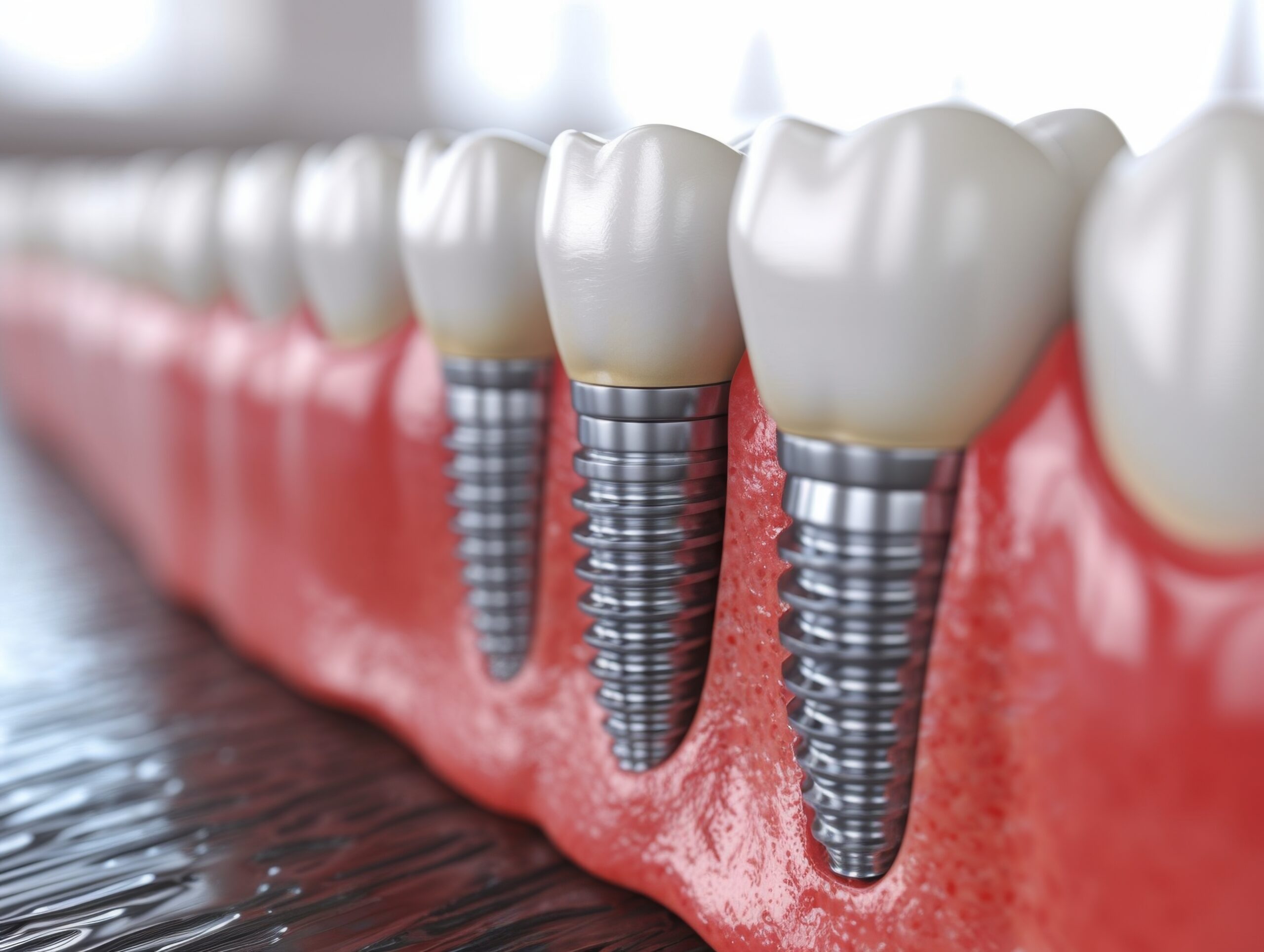
After removal, the next steps depend on your anatomy and goals:
- Natural healing and monitoring
- Bone regeneration or augmentation (if needed)
- Planning for a new implant (titanium or ceramic)
- Alternative restorative solutions such as bridges or prostheses
- Implant removal is not the end of treatment, but rather a reset toward a more
stable long-term solution when required.
What This Care Is Not
For clarity and transparency:
- Titanium implants are not removed routinely
- Removal is not recommended without clinical justification
- We do not make claims about systemic disease
- We do not promote unnecessary surgery
Our recommendations are grounded in clinical findings, imaging, and risk– benefit analysis
Healing & Recovery Expectations
Healing timelines vary depending on:
- Extent of bone integration
- Condition of surrounding tissues
- Whether grafting is required
- Individual healing biology
Patients receive:
- Personalised aftercare instructions
- Scheduled reviews
- Guidance on timing of further treatment
Comfort and predictability are prioritised throughout recovery.
How Titanium Implant Review Fits Into Your Overall Care
Implant review and removal may be part of a broader plan that includes:
- Biological oral surgery
- PRF & regenerative support
- Bone augmentation or sinus procedures
- Ceramic or titanium implant replacement
- Restorative or aesthetic dentistry
All stages are coordinated to ensure logical sequencing and long-term success.
Why Patients Choose Nuffield Dental Jewel
Patients appreciate our approach because we:
- Assess before intervening
- Avoid fear-based recommendations
- Use advanced imaging thoughtfully
- Explain options clearly and honestly
- Prioritise long-term function and stability
Our focus is clarity, safety, and outcomes that last